
When filing a maintenance case before the courts of the Kingdom of Bahrain, one of the most important steps is submitting a properly prepared Wife and Children Maintenance Claim in Bahrain.
In this article, Bahrain Lawyer provides a sample maintenance claim in Bahrain that follows the requirements set out under the Law of Procedure before the Sharia Courts.
Are you concerned about securing your children’s financial future and protecting your financial rights after separation? Do not leave your family’s situation to chance or complicated legal procedures.
Table of Content
Sample Wife and Children Maintenance Claim in Bahrain
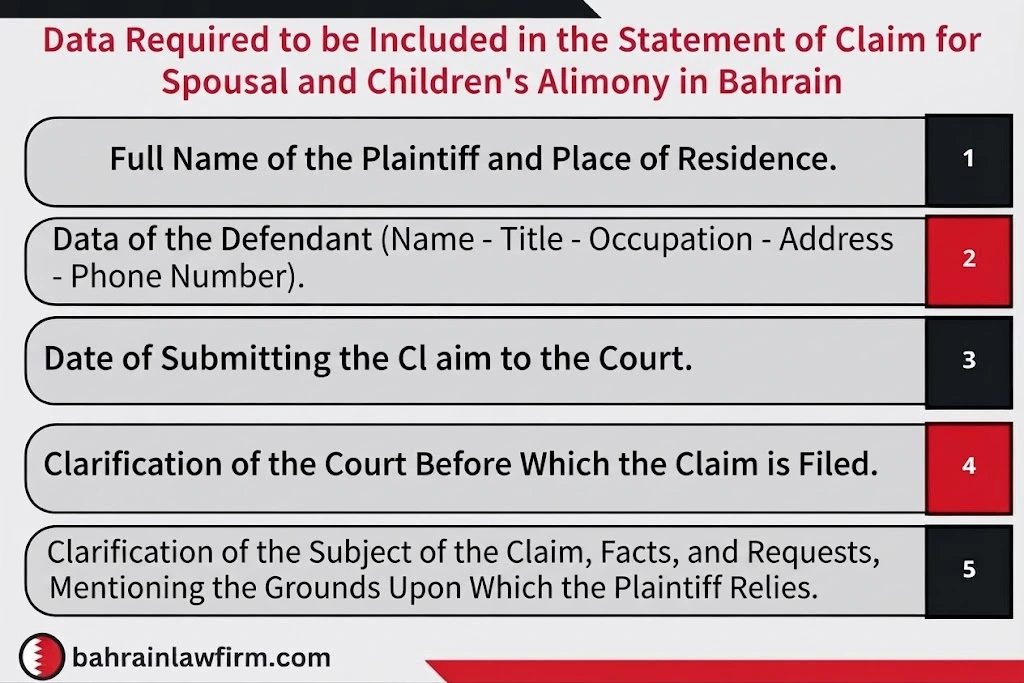
According to Article 2 of the Law of Procedure before the Sharia Courts, a Wife and Children Maintenance Claim in Bahrain should include the following information:
- The claimant’s full name and place of residence.
- The defendant’s details, including name, surname, occupation, address, and telephone number.
- The date on which the claim is filed before the court.
- The name of the court before which the claim is filed.
- The subject of the claim, the relevant facts, the relief requested, and the grounds on which the claimant relies.
Below is a sample maintenance claim in Bahrain:
Court: ــــــــــــــــــــــــ
Date: ــــــــــــــــــــــــ
Claimant: ـــــــــــــــــ Personal ID No.: ـــــــــــــ Address: ــــــــــــــــــ.
Defendant: ــــــــــــــــ Personal ID No.: ـــــــــــــــــ Address: ــــــــــــ.
In my capacity as legal representative of the claimant, Mrs. ـــــــــ, who is the wife of the defendant, Mr. ـــــــــــ, I hereby submit a claim for spousal maintenance on behalf of my client pursuant to Article 49 of the Family Law of 2017. Under that provision, a wife is entitled to maintenance from her husband under a valid marriage contract, even if she is financially well-off, provided that she has made herself available to him, whether actually or constructively.
My client is legally married to the defendant under a valid marriage contract dated ــــــــــــ. The marriage was consummated and the spouses lived together. Disputes later arose between them, after which the defendant stopped providing maintenance for her and their children, despite having sufficient financial means, as shown below:
- The defendant owns a vehicle used as a taxi, from which he earns an average monthly income of ــــــــــــــــ Bahraini dinars.
- The defendant’s net monthly income exceeds ـــــــــــــ Bahraini dinars.
- The defendant owns a plot of agricultural land as well as another plot containing buildings, with a total value exceeding ـــــــــــــ Bahraini dinars.
Given these circumstances, and since the defendant has failed to provide maintenance for his wife and children for more than one year to date, my client has been compelled to file a maintenance claim before the competent court to seek both her spousal maintenance and the maintenance due to her children.
Requests:
- To order the defendant to pay the maintenance due to my client, including maintenance for the period preceding the filing of this claim.
- To order the defendant to pay maintenance on a monthly and uninterrupted basis.
- To order the defendant to bear the costs and fees of the proceedings, including legal fees.
We respectfully request that the Honorable Court accept this claim and issue the appropriate judgment.
Claim submitted by: ــــــــــــــــــــ
Signature: ـــــــــــــــــــــــــــ
As a professional note, you should be aware that this is a general template and may not be suitable for every case. Before submitting a maintenance claim in Bahrain, consult a specialized maintenance lawyer.
Bahraini Court Ruling on a Wife’s Right to Maintenance While Living Outside the Marital Home
The Sharia Court ordered the claimant’s husband to pay monthly maintenance covering food, housing, and clothing for his wife and children, assessing the amount at BHD 70. The court granted maintenance even though the wife was living outside the marital home because the husband had failed to provide suitable Sharia-compliant accommodation.
The case began when the wife claimed monthly maintenance of BHD 100. The court initially dismissed the claim on the basis that she was living outside the marital home without a lawful justification and was therefore considered not entitled to maintenance.
The claimant appealed the judgment and relied on Article 54 of the Family Law. Paragraph (b) of that Article provides that a wife’s refusal to move into the marital home does not constitute disobedience if the husband has failed to provide suitable Sharia-compliant accommodation.
Based on this, the court found that the wife remained entitled to maintenance because the husband had not provided suitable marital accommodation. It therefore accepted the maintenance claim and ordered the husband to make the required payments.
Frequently Asked Questions
Below, we answer the most common questions we receive regarding this topic.
What Are the Essential Elements of a Wife and Children Maintenance Claim Petition?
The essential elements of a wife and children maintenance claim petition include the claimant’s complete and accurate details, the defendant’s information, the name of the court before which the claim is filed, and the filing date. The petition should also state the subject of the claim, explain the relevant facts, and set out the legal grounds supporting the claim.
When Is a Wife Not Entitled to Maintenance?
A wife may lose her entitlement to maintenance if she is deemed disobedient under the applicable legal rules. This may include leaving the marital home without permission or a lawful reason, refusing to move to the marital residence, refusing to travel with her husband without a valid excuse, or preventing him from entering the marital home without justification.
This concludes our article, in which we discussed the Wife and Children Maintenance Claim in Bahrain and reviewed a Bahraini court ruling relating to maintenance claims.
You may also read: Reasons for Loss of Maintenance in Bahrain: Key Cases.

A Bahraini lawyer and the founder of a legal consultancy firm established in February 2019. He holds a Higher Degree in Sharia and Law from Al-Azhar University. He has extensive experience in court representation and providing legal advice in criminal, personal status, civil, and commercial matters. He is known for delivering clear, practical, and effective legal advice aimed at protecting his clients’ rights and interests, and has achieved tangible results in notable cases, including commercial litigation and inheritance matters
